
Taking Action to Protect California's Changing Landscapes
California State Parks protects the state’s diverse landscapes - from rolling oak woodlands to towering redwoods and marine kelp forests to historic castles and painted caves. However, these beloved places are being impacted by climate change. Frequent and more intense wildfires are burning landscapes and historic structures, sea level rise is shrinking beaches and inundating coastlines, and many species are losing crucial habitat. As climate change poses profound challenges for California, it gives us the chance to come together and create a path forward into a climate-resilient future, protecting ecosystems, biodiversity, and human health and history for all.
Biodiversity Loss
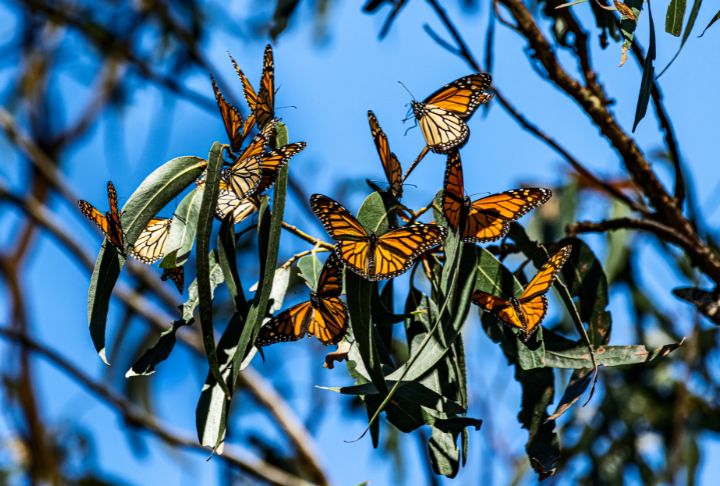
Challenge
Climate change impacts such as severe storms, sea level rise, increasing temperatures and extreme heat events are contributing to ecosystem and biodiversity loss. Most species thrive under certain conditions like specific temperature ranges, habitats, migration patterns, and available resources. When conditions dramatically shift, these changes can threaten the survival of California’s many rare, endemic, special status, and culturally significant species, as well as human communities.
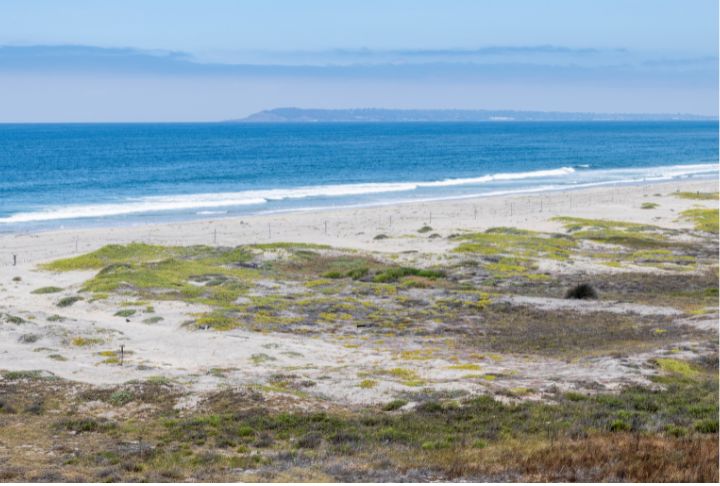
Impacts
Biodiversity loss can result in increases in harmful invasive species that outcompete important native species, and the reduction of habitat connectivity and ecosystem services such as food and water availability, climate regulation, and plant pollination. These ecosystem disruptions can also have a wide range of economic repercussions, impacting outdoor recreation and tourism industries.
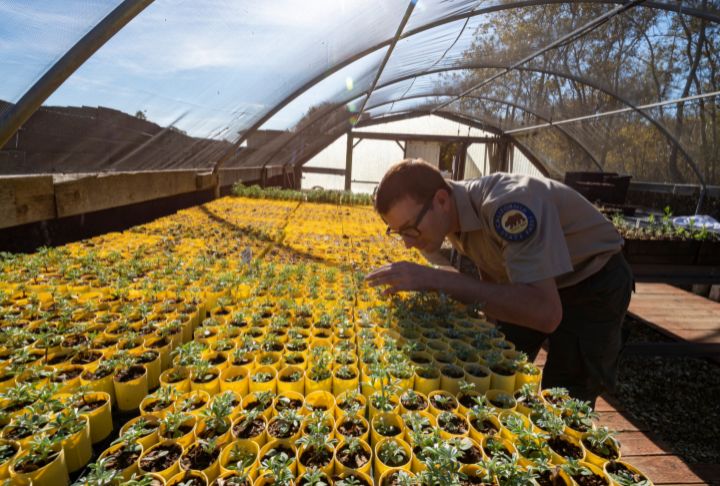
Action
Contributing to California's 30x30 initiative, State Parks is working to increase biodiversity, boost resilience to climate change, and promote and support ecological processes and ecosystem services. Restoring ecosystem functions and increasing habitat connectivity will also improve the quality and availability of public access and ensure resilience of park facilities to natural disturbances including flooding and fire.
Sea Level Rise
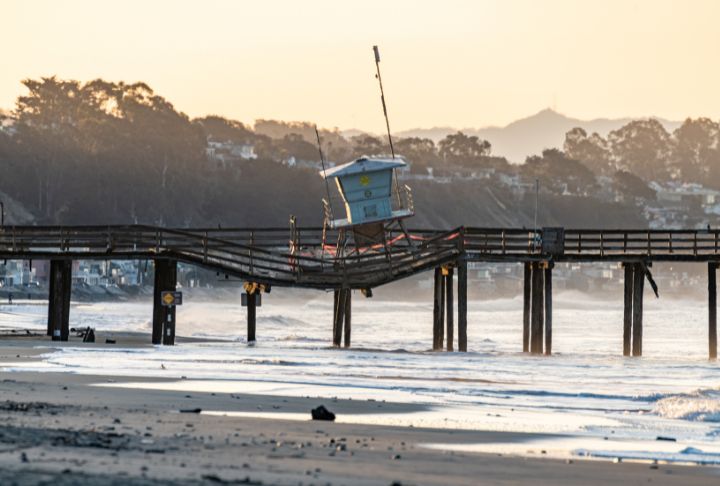
Challenge
Sea levels are rising due to multiple factors. Greenhouse gasses (GHGs), primarily produced by burning fossil fuels trap heat and increase temperatures across the globe. Oceans absorb around 90 percent of excess heat from these GHGs in the atmosphere. As the ocean warms, the water expands and takes up more space, while melting glaciers and polar ice sheets add even more water to the ocean. These combined forces put California’s shoreline and coastal parks at risk.
Impacts
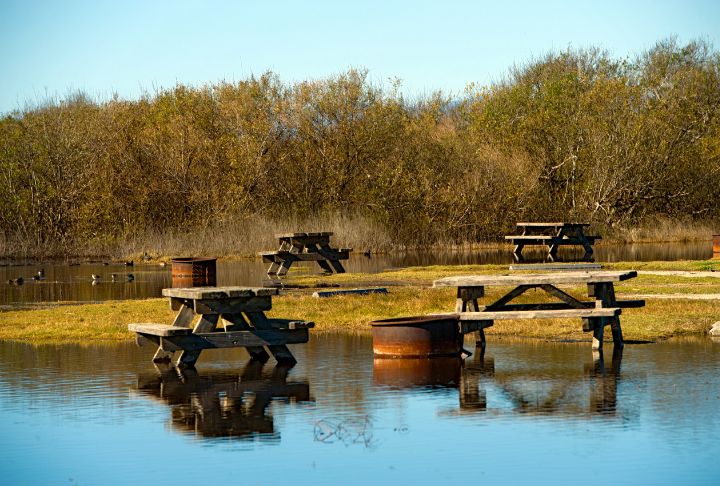
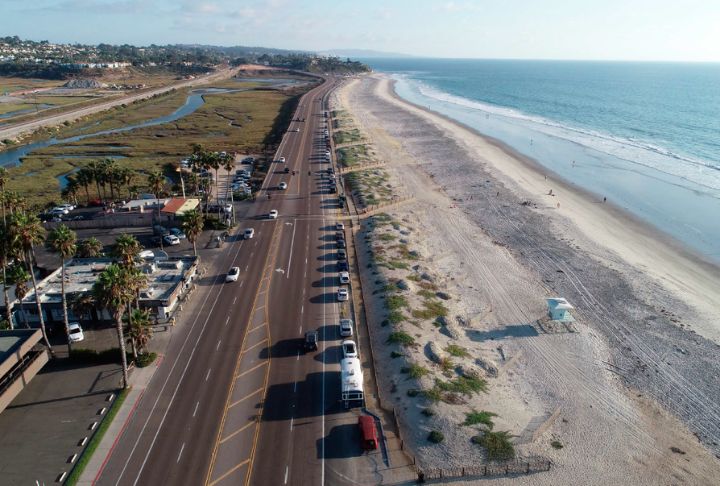
Due to sea level rise, California's coasts are experiencing more frequent and severe flooding, especially when naturally occurring processes such as El Niño, king tides, and winter storms take place. Coastlines will experience increased erosion and habitat loss, while communities will experience loss of beach access, recreational opportunities, and the ability participate in cultural practices.
Action
State Parks developed a Sea Level Rise Adaptation Strategy to provide the framework and the decision support tools needed to improve the resilience of coastal parks and support continued access and recreational opportunities along California’s coastline while preserving our state’s natural and cultural resources. Implementation measures include nature-based solutions like living shorelines and restoring coastal wetlands to protect against sea level rise and erosion.
Wildfires
Challenge
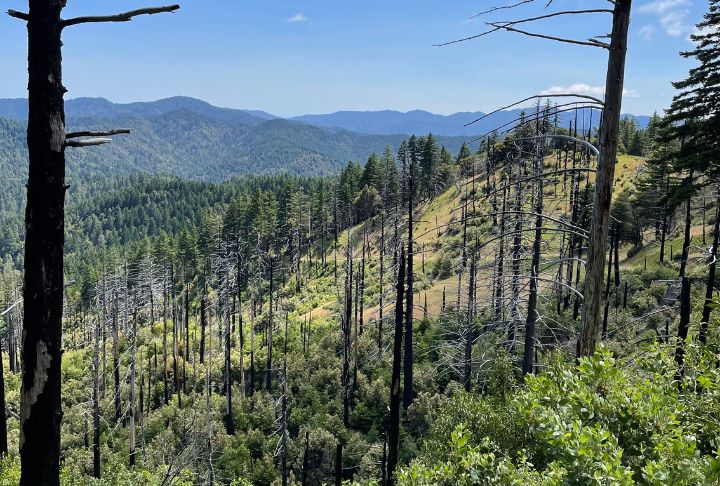
Climate change impacts and years of fire suppression have led to an increase in the frequency, size, and severity of wildfires in California. The seasonality of wildfires is also growing as warmer temperatures extend into more months of the year, creating drier conditions for longer periods of time. This fire regime poses unprecedented challenged to natural resource stewards that must balance both the benefits and potential consequences of fire on public land.
Impacts
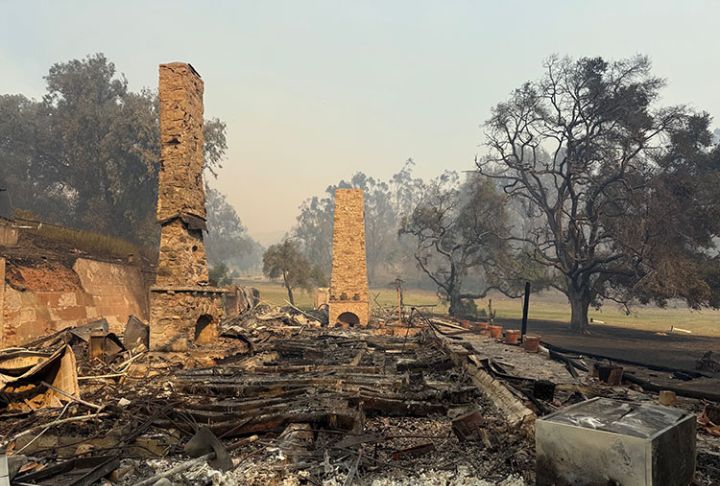
Changes in fire regime can threaten both ecosystems and human communities. Catastrophic wildfires not only destroy ecosystem, but can also result in decreases in biodiversity, habitat connectivity, and allow for invasive species to invade. Human communities can be impacted directly, through destructive fires in the Wildland-Urban Interface, and indirectly, through poor air quality due to smoke.
Action
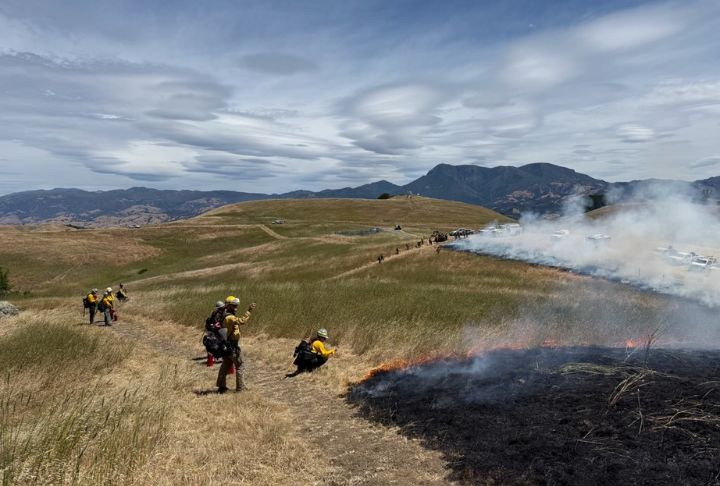
In 2021, State Parks created the Wildfire and Forest Resilience Program to expand upon the management of park lands to increase wildfire resiliency. Projects include ecosystem resilience treatments, post-wildfire recovery and restoration work, pre-wildfire planning, and education and outreach related to wildfire and forest resilience. Throughout California state parks, program staff conduct treatments such as prescribed fires, forest thinning, and associated monitoring, contributing to the health of forest and grassland ecosystems across the state.