
Spring Weather Brings Hungry Bears to Tahoe Region
Keep Tahoe Bears Wild!
LAKE TAHOE – As snow melts across the Lake Tahoe region, black bears have emerged from their dens and are searching for food, signaling the start of a busy spring season for wildlife.
Seasonal Outlook and Impacts
Male and female bears without cubs are already active, feeding on early grasses and plants. Warmer-than-average temperatures and low snowpack, however, could reduce the availability of natural food sources later this year.
Some of the most important natural foods for bears include mast, which refers to nuts, seeds and fruits produced by trees and shrubs. Mast is categorized as hard mast, such as nuts and seeds, and soft mast, such as berries. These food sources are influenced by temperature and precipitation, which affect their growing season, productivity and timing.
With Lake Tahoe snowpack at just 24% of the April average and warm temperatures prematurely melting snow, we are likely to see a shortened growing season with average or below average mast productivity.
Black bears are highly adaptable and will shift to other natural food sources, including insects and small mammals. However, studies show that bears living near urban areas often turn to human-related food sources when natural foods are scarce.
“What puts bears at greatest risk isn’t a lack of natural food, it’s access to ours. Encouraging close interactions, allowing bears to den under homes, or feeding bears (intentionally or unintentionally) leads to dangerous outcomes for both bears and people,” explains Bear Management Specialist, Sarinah Simons with California State Parks. “If we want healthy bears on the landscape, we need to give them the space to stay wild.”
Bears that rely on human-provided food face a higher risk of mortality. In years with poor natural food availability, reported vehicle collisions involving bears have been shown to double or even triple. As bears travel greater distances in search of food, they are more likely to encounter vehicles and unsecured attractants.
How Can You Help?
Residents and visitors can help reduce these risks by securing potential attractants and following the BearWise® Six At-Home Basics:
- Never feed or approach bears.
- Secure food, garbage and recycling.
- Remove bird feeders when bears are active.
- Never leave pet food outdoors.
- Clean and store grills and smokers.
- Alert neighbors to bear activity.
Properly securing garbage is one of the most effective ways to prevent bear conflicts. Food and trash should never be left in vehicles, and vehicle doors and windows should remain closed and locked.
Bird feeders should be removed during bear season. A single pound of black oil sunflower seeds contains approximately 2,500 calories, making it a high-reward food source for bears. Alternative methods for attracting birds without attracting bears are available through BearWise resources. See the BearWise bulletin on Attracting Birds, Not Bears.
Property owners can also take steps to secure buildings. Keeping doors and windows locked can help prevent bears from entering structures. For wooden garage doors, electric deterrents such as wiring or mats may help prevent damage. We highly recommend utilizing the BearWise Host Set to display helpful information for your guests.
Lake Tahoe is bear country, and it is the responsibility of everyone living in, visiting or recreating in the Tahoe Basin to secure food, trash and other scented items. Consistent practices help keep bears healthy and wild.
Call the Experts
Spring is also the time of year residents or visitors may see a bear they believe looks unhealthy, sick, or orphaned. Bear health concerns should be reported to the Tahoe Interagency Bear Team’s wildlife professionals at the California Department of Fish and Wildlife or the Nevada Department of Wildlife These agencies have the training, expertise, and veterinary resources to assess the bear’s condition and transport it for care, if needed.
For more great tips about living responsibly with bears, visit tahoebears.org and bearwise.org.
Report human-bear conflicts:
- In California, contact the California Department of Fish and Wildlife at 916-358-2917 or report online using the Wildlife Incident Reporting system atapps.wildlife.ca.gov/wir.
- Non-emergency wildlife interactions in California State Parks can be reported to their public dispatch at 916-358-1300.
- In Nevada, contact the Nevada Department of Wildlife at 775-688-BEAR (2327).
- If the issue is an immediate threat, call the local sheriff’s department or 911.
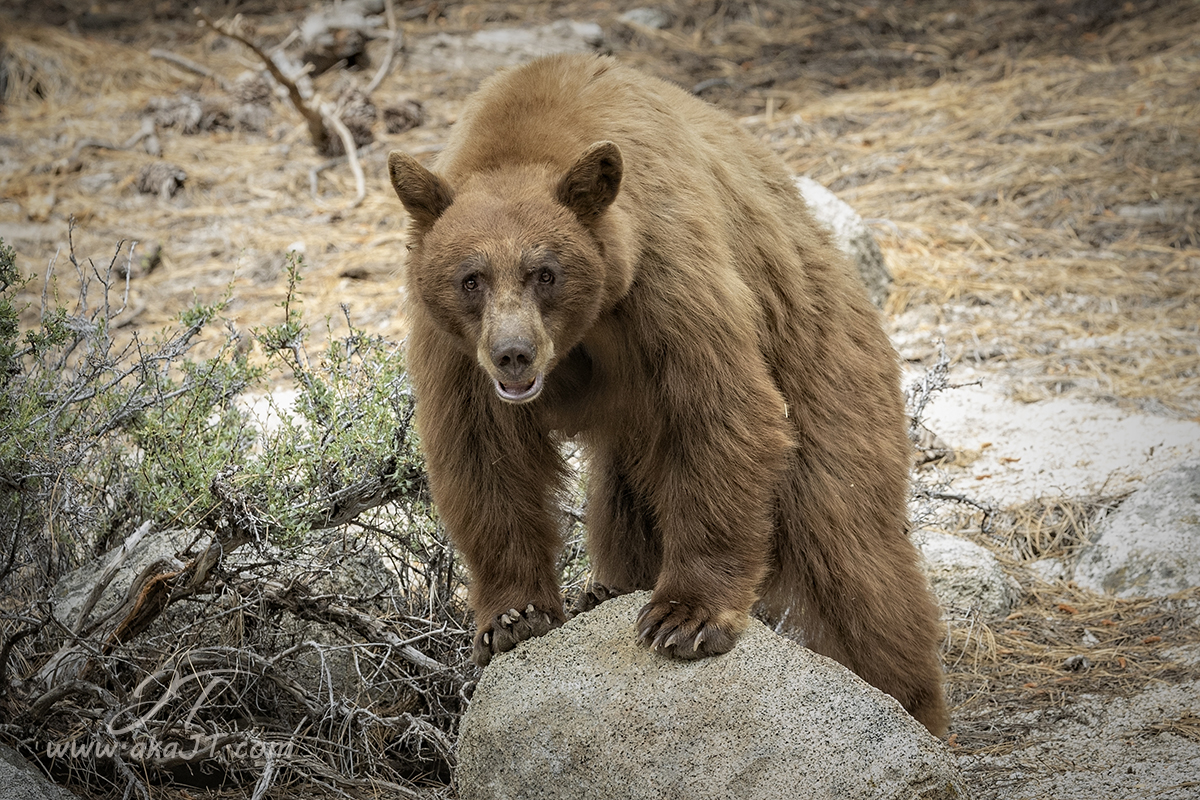
Bears that rely on human food and garbage face a higher risk of mortality. Responsibly securing these attractants is the best way to deter bears from urban areas. Photo courtesy of JT Humprey Photography.
###
About the Tahoe Interagency Bear Team
The Tahoe Interagency Bear Team is a collaborative group of agencies and organizations trained and dedicated to reducing human-bear conflicts in the Tahoe Basin. The Tahoe Interagency Bear Team works together to promote bear safety through education, outreach, and the implementation of effective bear management practices. The Tahoe Interagency Bear Team's efforts ensure that both bears and people can coexist peacefully in this beautiful region. Tahoe Interagency Bear Team Media Contacts: California Department of Fish and Wildlife, Peter Tira 916-215-3858; California State Parks, Adeline Yee 916-661-2767; Nevada Department of Wildlife, Kenzie Margiott 775-688-1558; U.S. Forest Service, Lisa Herron 530-721-3898.
Subscribe to California State Parks News via e-mail at NewsRoom@parks.ca.gov
California State Parks provides for the health, inspiration and education of the people of California by helping to preserve the state’s extraordinary biological diversity, protecting its most valued natural and cultural resources, and creating opportunities for high quality outdoor recreation.